- September 23, 2026
- 5:30 am
- BlueParking
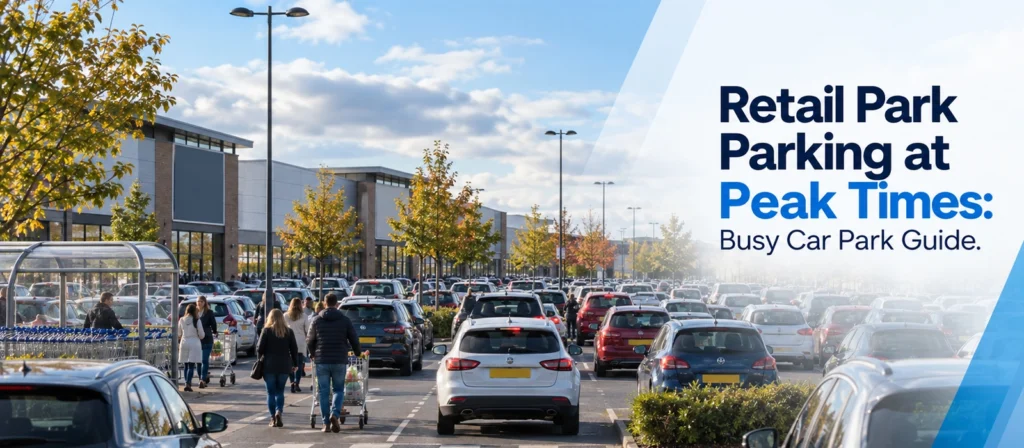
It’s Saturday afternoon. The car park is busy, you’re struggling to find a space, and every row seems to be full.
You’re not the only one looking. Other drivers are circling too, while staff are trying to keep deliveries moving and make sure access stays clear.
Busy periods can make retail park parking frustrating for everyone. But a little planning, clearer information and better communication can make a big difference.
Why does retail park parking get so busy?
More Cars, Fewer Spaces
At peak times, more people arrive at the same time. Once most spaces are taken, drivers start circling and waiting for someone to leave.
That can quickly make the whole car park feel more difficult to navigate.
Drivers don’t always know where to go
A busy car park can be confusing, especially if you’re visiting for the first time.
Drivers may not know:
- Where the available spaces are
- Where staff parking is located
- Where delivery vehicles should stop
- Which spaces are reserved
- Which areas they should avoid
Clear information can help drivers make decisions before they start blocking access or driving around unnecessarily.
Peak times make everything more noticeable
Retail parks can become particularly busy during:
- Weekend afternoons
- Bank Holidays
- School holidays
- Black Friday
- The Christmas shopping period
When footfall increases, even small parking problems can have a bigger effect on the rest of the car park.
How does busy parking affect a retail park?
For shoppers
Nobody wants to spend the first ten minutes of a shopping trip looking for somewhere to park.
A busy car park can mean:
- More time spent looking for a space
- More traffic around the car park
- Difficulty finding accessible or parent and child spaces
- Frustration when access is blocked
For some shoppers, a difficult parking experience can affect how they feel about the whole visit.
For staff
Staff need reliable access to the site too.
Unauthorised parking in staff areas, blocked routes or vehicles stopping where they shouldn’t can make everyday operations harder.
For retailers
Parking is part of the customer experience.
If customers can’t easily find a space, understand the parking arrangements or get help when something goes wrong, it can create unnecessary frustration for both shoppers and staff.
What can retail parks do to make busy parking easier?
1. Make signage clear
Good signage can answer questions before drivers need to ask them.
Clear signs can show:
- Customer and staff parking
- Loading areas
- Accessible spaces
- Parent and child spaces
- Directions to different parking areas
Where possible, signs should be easy to spot before drivers reach the relevant area.
2. Have support available during busy periods
Having a member of the parking or site team available during particularly busy periods can help keep things moving.
They can:
- Direct drivers
- Help with parking queries
- Identify blocked access
- Support deliveries
- Help resolve problems as they happen
Sometimes, having someone available to answer a question is all that’s needed.
3. Keep reserved areas clear
Staff, accessible and loading spaces all have a purpose.
Clear markings and signage can help drivers understand which spaces are available to them and which aren’t.
This can also reduce confusion when the car park is busy.
4. Give drivers a way to get in touch
This is often overlooked.
What happens if someone accidentally parks where they shouldn’t? Or a vehicle is blocking access and nobody knows who it belongs to?
Instead of leaving people to search around the site, a simple contact system can give them a way to reach the right person quickly.
Why communication matters in a busy car park
Parking problems aren’t always caused by people deliberately ignoring the rules.
Sometimes a driver simply doesn’t realise they’ve blocked an access route. A delivery driver may not know where they’re supposed to stop. A shopper may not know who to contact when something goes wrong.
Being able to communicate quickly can make these situations much easier to resolve.
For example:
A vehicle is blocking access.
Instead of searching for the driver, someone can send a message and give them the information they need to move.
That’s where masked-contact solutions can be useful. They allow people to get in touch without having to publicly share their personal phone number.
How can retail parks prepare for busy periods?
Good preparation doesn’t have to be complicated.
Before peak periods
- Check that signs are clear and easy to see
- Review staff and delivery parking arrangements
- Identify areas where congestion usually builds up
- Make sure staff know who to contact when problems arise
- Check that communication systems are working
During peak periods
- Monitor busy areas
- Keep access routes clear
- Help drivers find the right areas
- Respond quickly when parking problems are reported
- Adjust support based on what is happening on the day
The aim is simple: help people find where they need to go and make it easy to resolve problems when they happen.
The Bottom Line
Busy retail park parking doesn’t have to mean a stressful experience.
Clear signs, organised parking areas, staff support and, most importantly, easy communication can all help keep things moving.
Because sometimes the problem isn’t that there aren’t enough spaces. It’s that people don’t know where to go, what to do or who to contact when something goes wrong.
A better way to communicate can make a busy car park feel a lot easier to manage.